Heads up: EverydayChecked is reader-supported. If you buy through links on this page, we may earn a small commission, at no extra cost to you. It never changes our verdict.
The problem
Why dogs throw up after drinking too fast
Some dogs treat a full water bowl like a race. They drop their head, gulp until it’s gone, and a few seconds later it all comes back up across the kitchen floor. It looks dramatic, but the cause is usually simple, and it’s rarely about being thirsty.
Three things tend to be going on:
- They swallow air. Gulping fast means taking in a lot of air along with the water. That air expands the stomach, triggers a gag reflex, and the water comes straight back up.
- The vagus nerve gets overstimulated. This nerve helps run digestion and connects to the brain’s vomiting center. Filling the stomach rapidly can set it off.
- Sometimes it’s something more. Now and then, fast drinking masks a deeper issue like bloat, an infection, or another digestive problem. If it’s persistent or comes with other symptoms, see your vet.
Not every fast drinker throws up, but drinking like it’s a competition makes it far more likely, especially for dogs with sensitive stomachs.
The one I use
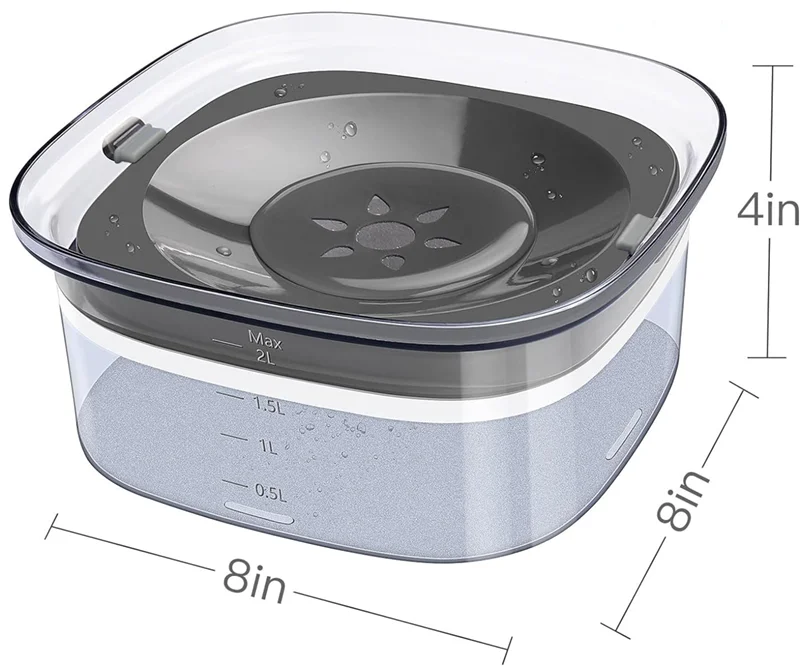
UPSKY 70oz No-Spill Slow Drinking Water Bowl
- 70oz / 2L
- Floating disk
- Anti-skid base
- Dishwasher-safe
- Floating disk slows fast gulping
- Big enough for a full day of water
- Stays put and resists spills
- Comes apart for easy cleaning
We may earn a commission, at no extra cost to you.
The fix
How a slow water bowl actually works
A slow water bowl looks ordinary, but the trick is a floating disk sitting on top of the water with a few small openings in it. Your dog can’t plunge straight in. They have to lick at the surface instead.
- The disk does the limiting. As your dog licks, the disk dips slightly and lets a little water rise through the holes. They get all the water they want, just not all at once.
- Less air, less gagging. Smaller sips mean far less swallowed air, which is the main thing that sets off the vomiting in the first place.
- A calmer pace. Instead of a frantic gulp-and-go, drinking becomes a steady, low-key thing.
It’s a genuinely simple idea, and that’s exactly why it works.
Real-world test
What happened when Harley switched
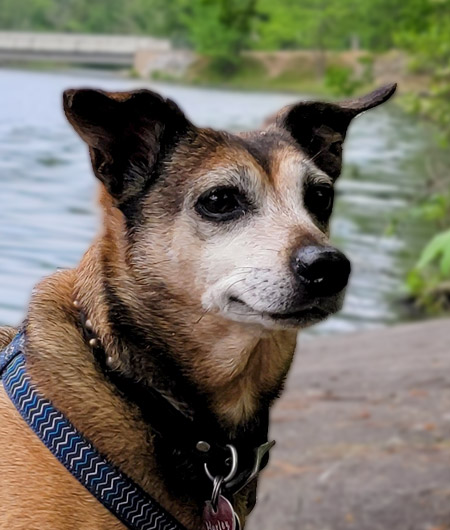
I’ve had Harley since he was a puppy, and he drank too fast from the very start. For a while it was the odd mess; by the time he was older it was nearly every day. We tried smaller portions and a few other tricks, and nothing really stuck. Our vet’s take was that some dogs just drink fast. I believed that, but didn’t want to leave it there, and I definitely didn’t want to medicate him for it.
The slow water bowl was the thing that finally worked. The floating disk forces Harley to lick instead of gulp, and the flow is gentle enough that he can’t overdo it.
From the very first time he used it, Harley hasn’t thrown up his water once.
That’s not an exaggeration for effect. It really was day one. No medication, no vet visits, no more puddles to mop up before coffee. For a cheap little bowl, it’s hard to think of a better return.
Side by side
A regular bowl vs. a slow water bowl
A regular bowl
- Gulps the whole bowl in seconds
- Swallows air and gags
- Puddles (or worse) to clean up
- Drinking is a frantic rush
A slow water bowl
- Licks at a steady, natural pace
- Takes in far less air
- Dry floors, no clean-up
- Calm, settled drinking
The details
What you're getting with the UPSKY bowl
There are a lot of slow bowls out there. The UPSKY is the one that’s stayed in our kitchen, and here’s why:
- Slow water feeder: the floating-disk design is the whole point, and it does its job well.
- Large capacity: at 70oz / 2L, one fill easily covers the day, handy for multi-pet homes too.
- Anti-spill: the design keeps water in the bowl instead of on your floor.
- Anti-skid base: it stays put instead of skating across the kitchen mid-drink.
- Easy to clean: it comes apart and it’s dishwasher-safe, so keeping it fresh is painless.
A couple of tips from living with it: introduce it gradually if your dog is unsure (fill it partway at first so the water’s easy to reach), and clean it regularly, like any bowl, to keep bacteria from building up.
The verdict
So, is a slow water bowl worth it?
If your dog drinks at a normal pace and never has a problem, you don’t need one. But if yours gulps, gags, or leaves you cleaning up water they just brought back up, a slow water bowl is about the cheapest, simplest fix you can try, and for us it worked completely.
Keeping a dog hydrated matters. So does letting them drink without it turning into a mess or a health worry. The UPSKY bowl handles both, and it’s earned its spot for good in our house.
Questions
FAQ: slow water bowls for dogs
Will my dog actually like it? Most dogs take to it quickly. If yours is unsure at first, fill the bowl a little higher so the water’s easy to reach, then lower it as they get the hang of licking the disk.
Do they come in different sizes? Yes. Slow water bowls come in a range of sizes. Just pick one suited to your dog’s breed and how much they drink.
How often should I clean it? Like any water bowl, clean it regularly to keep bacteria from building up. A daily rinse is ideal, with a thorough wash of all the parts once or twice a week.
Can it help with other digestive issues? It’s mainly aimed at fast drinking and vomiting, but slowing the pace supports better digestion overall and can ease bloating or indigestion in some dogs.
Which dogs benefit most? Any dog can use one, but they’re especially helpful for fast gulpers, dogs that often bring water back up, large breeds at higher risk of bloat, and dogs with sensitive stomachs.
How else can I get my dog to drink slower? A slow water bowl is the easiest route. You can also offer smaller amounts more often, or drop a few ice cubes in to make the water more interesting to sip at.