Heads up: EverydayChecked is reader-supported. If you buy through links on this page, we may earn a small commission, at no extra cost to you. It never changes our verdict.
The case for metal
Why switch from plastic to stainless steel
Zip ties are a staple for a reason: they’re cheap, fast, and they hold most things together without a second thought. But the moment a job involves real weight, real heat, or years out in the weather, the ordinary plastic ones start to feel like a temporary patch. That’s the gap stainless steel zip ties fill.
These are made from 304 stainless steel, the same grade you’ll find on kitchen sinks and outdoor hardware that’s expected to last. The result is a tie with a tensile strength that leaves plastic in the dust, and a body that shrugs off the things that wreck plastic over time: UV, corrosion, and temperature swings.
The pack I use
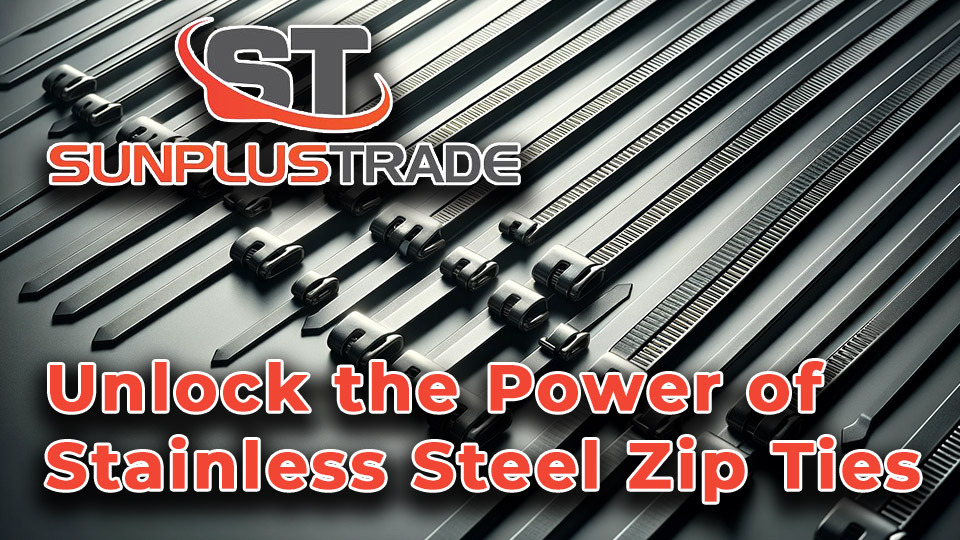
Sunplustrade 11.8-inch 304 Stainless Steel Metal Zip Ties (100-pack)
- 304 stainless
- 11.8 inch
- 198 lb rated
- Up to 932°F
- 100-pack
- Roughly 4x stronger than plastic ties
- Rust, corrosion, and UV resistant
- Holds in extreme heat and cold
- Self-locking, tightened with pliers
We may earn a commission, at no extra cost to you.
Tested
Plastic snapped at 72 lbs. Metal held to 261.
I didn’t want to take the marketing at its word, so I hung both kinds from a crane scale and pulled until they failed. The standard plastic zip tie gave out at 72 pounds. The 304 stainless steel tie kept holding (past 100, past 200) and didn’t break until 261 pounds of load. That’s not a small margin; it’s a different category of fastener.
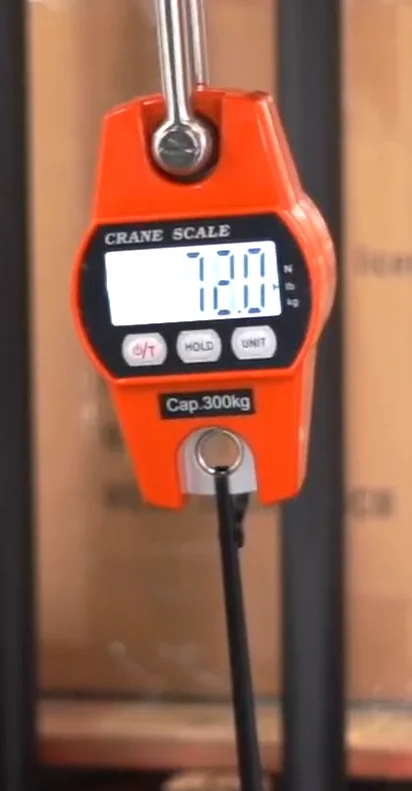
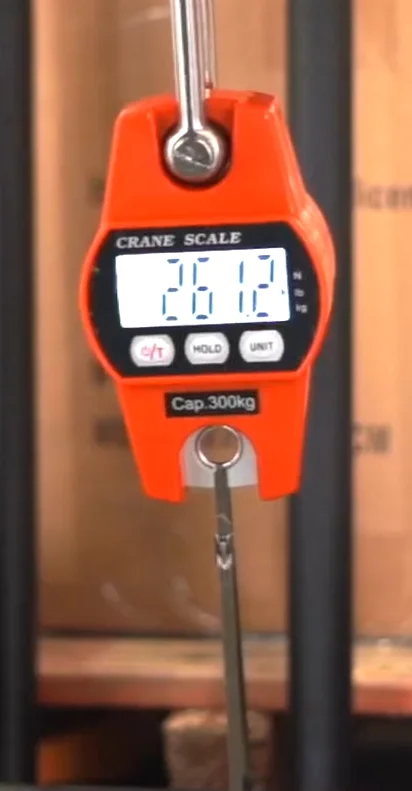
The manufacturer rates these for up to 90 kg (about 198 lbs), so the 261-lb result was a pleasant surprise. Your real-world ceiling will vary with the load and how the tie is routed, but the headroom over plastic is enormous.
Plastic gave out at 72 lbs. The stainless tie didn’t break until 261.
The numbers
What the test showed at a glance
Built to last
Weatherproof where plastic gives up
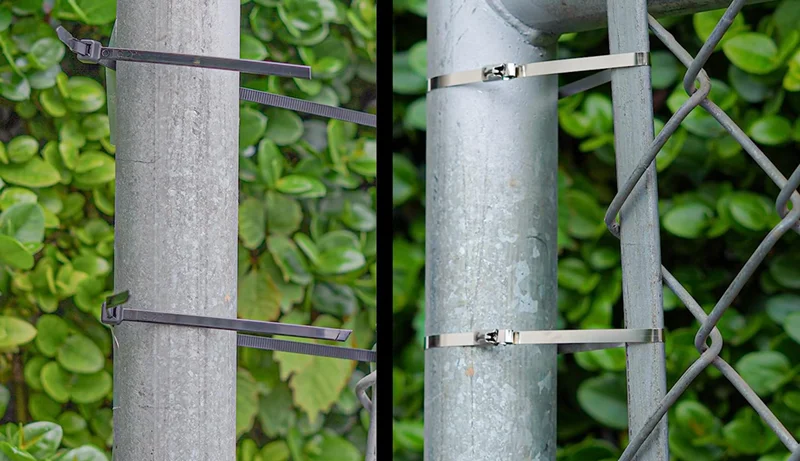
Strength is only half the story. Plastic ties get brittle in the cold and chalky in the sun. Anyone who’s snapped a sun-baked tie off a garden fence knows the feeling. Stainless steel doesn’t have that problem.
- Heat: rated to withstand temperatures up to 932°F, so they hold near exhausts and in hot equipment bays.
- Cold: they won’t go brittle and shatter in freezing weather.
- The elements: UV light, rain, and corrosive chemicals don’t degrade them the way they do plastic.
That’s why these are the ties I’ll trust on anything that lives outdoors or has to survive a few seasons untouched.
Side by side
Plastic zip ties vs. stainless steel
Plastic zip ties
- Snapped at 72 lbs in my test
- Get brittle in cold, chalky in sun
- Single-use: cut and toss
- Look like a temporary patch job
Stainless steel zip ties
- Held to 261 lbs in the same test
- Shrug off heat, cold, UV, and chemicals
- Can be released and reused
- Look like a pro did the work
In the hand
Easy to use, easier to trust
For all that strength, they’re not fussy to work with. The self-locking head tightens down with a pair of needle-nose pliers, and you can pull it satisfyingly snug. Trimming the tail is straightforward too, as long as you reach for the right cutter (more on that below).
The part I didn’t expect: they’re effectively reusable. Slip the tip of another zip tie under the locking pawl and you can back the tail out, loosen things, or release whatever you tied down. It won’t be as effortless as a Velcro strap, but for a metal tie that just held a couple hundred pounds, having a way to undo it is a genuine bonus.
A quick warning
Use the right tool to cut them
This is the one thing worth knowing before you start: regular scissors will not cut stainless steel ties, and trying will only ruin the scissors. You want diagonal cutters (dikes), tin snips, or a dedicated stainless tie tool, something with real leverage that leaves a clean edge instead of a sharp burr that can slice a finger later.
I use a set of Malco aviation snips for cutting aluminum, and they make short work of these ties too. Whatever you choose, cut deliberately and dress any sharp corner, because a freshly cut metal tie has a bite to it.
Put them to work
Where stainless steel ties shine
The uses run well past the garage:
- Outdoor: fence repair, garden trellises, and securing signs or banners that have to survive the weather.
- Automotive: bundling wiring, a temporary exhaust fix, and the endless small repairs a vehicle invents.
- Marine: rigging, securing gear, and boat repairs where corrosion resistance is non-negotiable.
- Industrial: holding cables, hoses, and pipes in demanding, high-heat settings.
- Home improvement: hanging heavy objects, organizing cable runs, and any DIY project that needs to actually hold.
The verdict
So, are metal zip ties worth it?
If you only ever bundle a few cables behind a desk, plastic ties are still all you need. But the moment a job involves weight, weather, or heat, or you just want it to look like a pro did it, stainless steel is the clear upgrade. They cost more than a bag of plastic ties, and they need a real cutter, but you’re buying strength, longevity, and a finish that doesn’t scream “temporary.”
I keep both kinds on the shelf now. Plastic for the quick, throwaway stuff; these 304 stainless ties for anything I actually need to depend on. Once you’ve used them on a real project, the difference is hard to unsee.
Questions
FAQ: metal zip ties
What are the main benefits of metal zip ties? Exceptional tensile strength, resistance to extreme heat and cold, and immunity to the UV, rust, and corrosion that break down plastic. They’re the choice when reliability and longevity matter more than saving a few cents.
Can I use them outdoors? Yes. That’s where they’re at their best. They resist corrosion, UV degradation, and harsh weather, so they hold up on fences, signage, and anything exposed to the elements for years.
How do they compare to plastic ties? In my own pull test, plastic broke at 72 lbs and the stainless tie held to 261. Metal also wins on temperature resistance and durability. Plastic is still cheaper and easier to snip for light indoor jobs.
Are metal zip ties reusable? They’re sold as single-use, but in practice you can release the locking pawl with the tip of another tie and back the tail out to adjust or remove them, which is handy when you need to make changes.
What tools do I need to cut them? Not scissors. Use diagonal cutters, tin snips, or a dedicated stainless tie tool for a clean cut, and dress any sharp edge so it can’t cut you later.
What projects are they best for? Automotive repairs, HVAC and industrial bundling, marine rigging, outdoor fencing and signage, and any heavy-duty DIY job where a plastic tie would eventually fail.